Redefining Visual Identity: Why Ketupat is the Essential Typography for Modern Branding
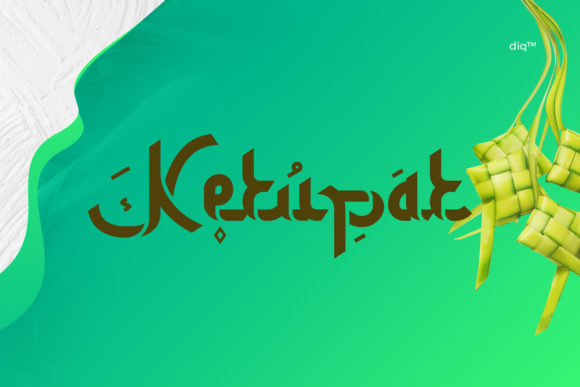
In an era where digital attention spans are shrinking and visual competition is at an all-time high, the choice of typography has transcended mere readability. It has become a critical component of brand identity, user experience, and emotional resonance. For professionals, creators, entrepreneurs, and marketers navigating this complex landscape, finding a typeface that balances aesthetic sophistication with technical precision is no longer optional—it is imperative. Enter Ketupat, a simple yet beautiful Arabic-styled display font that is rapidly gaining traction among those who demand excellence in their visual communication.
Ketupat is not just another font in a crowded library; it is a meticulously crafted tool designed to elevate design projects from functional to extraordinary. Neatly crafted and highly detailed, this font offers a unique blend of cultural elegance and modern utility. Its PUA (Private Use Area) encoding ensures that designers can access all amazing glyphs and ligatures with ease, streamlining workflows and unlocking creative potential that was previously difficult to achieve without extensive manual intervention.
The Evolution of Display Typography
To understand the significance of Ketupat, one must first look at the broader trends shaping the design industry. The past decade has seen a shift away from the rigid, geometric minimalism that dominated early web design toward more expressive, nuanced, and culturally rich typographic solutions. Consumers are increasingly drawn to brands that tell a story through every pixel, including the letters they use. This trend is particularly evident in the growing appreciation for non-Latin scripts and stylized display fonts that bring a sense of authenticity and heritage to contemporary designs.
Arabic calligraphy, with its flowing lines and intricate details, has long been revered for its artistic beauty. However, integrating such styles into Western-centric digital workflows has often been fraught with technical challenges. Font compatibility, ligature support, and glyph availability have historically been barriers for many designers. Ketupat addresses these pain points head-on. By being PUA encoded, it bypasses many of the standard limitations associated with traditional font files, allowing for seamless integration across various platforms and software environments.
Bridging Cultural Aesthetics with Modern Technology
The relevance of Ketupat lies in its ability to bridge two worlds: the timeless artistry of Arabic-inspired design and the pragmatic demands of modern digital production. For freelancers and agencies working on global campaigns, the ability to incorporate diverse stylistic elements without compromising on technical performance is invaluable. Ketupat’s neat craftsmanship ensures that each character is not only visually striking but also structurally sound, maintaining legibility even at smaller sizes or in complex layouts.
This balance between form and function is crucial for entrepreneurs and marketers who need their visuals to communicate effectively across multiple touchpoints. Whether it’s a luxury brand looking to convey exclusivity, a tech startup aiming to appear innovative yet grounded, or a lifestyle blog seeking a distinctive voice, Ketupat provides the versatility needed to meet these varied needs. Its detailed construction allows it to serve as both a headline-grabbing display font and a subtle accent element, adapting to the specific requirements of each project.
Why Professionals Are Paying Attention to Ketupat
The buzz surrounding Ketupat is not merely hype; it is driven by tangible benefits that align with current industry expectations. Here are several key reasons why this font is becoming a staple in the toolkits of design enthusiasts and business leaders alike.
- Enhanced Creative Control: With PUA encoding, designers have unrestricted access to a wide array of glyphs and ligatures. This means you are not limited to the default character set provided by standard fonts. Instead, you can curate your own typographic palette, selecting specific symbols and connections that best suit your brand’s narrative.
- Streamlined Workflow: In a fast-paced business environment, efficiency is paramount. Ketupat’s ease of access reduces the time spent troubleshooting font issues or searching for alternative characters. This allows creators to focus more on the strategic aspects of their work, such as messaging and audience engagement, rather than getting bogged down in technical details.
- Distinctive Brand Identity: In a market saturated with generic templates and overused typefaces, standing out is essential. Ketupat’s Arabic-styled aesthetics offer a fresh and sophisticated look that immediately differentiates a brand from its competitors. This distinctiveness helps in building stronger brand recall and loyalty among consumers.
- High-Quality Detailing: The font’s neat crafting and high level of detail ensure that it looks sharp and professional on any screen resolution or print medium. This attention to quality reflects positively on the brand, signaling to customers that care and precision are integral parts of the company’s values.
Practical Applications Across Industries
The versatility of Ketupat makes it suitable for a wide range of applications, spanning multiple industries and use cases. Let’s explore some practical examples of how this font can be leveraged to achieve specific business goals.
Luxury and Lifestyle Brands
For luxury fashion houses, high-end hospitality groups, and premium lifestyle brands, aesthetics are everything. These sectors rely heavily on visual storytelling to convey exclusivity and refinement. Ketupat’s elegant curves and intricate details provide the perfect backdrop for such narratives. Imagine a boutique hotel website using Ketupat for its hero text, evoking a sense of exotic travel and serene comfort. Or consider a luxury perfume label featuring Ketupat in its packaging design, adding a layer of artistic depth that appeals to discerning customers.
Tech Startups and Digital Products
While technology companies often lean towards clean, sans-serif fonts, there is a growing trend of incorporating more human and artistic elements into their branding to appear more approachable and innovative. Ketupat can serve as a powerful accent font for tech startups, adding a touch of creativity to otherwise sterile interfaces. For instance, a fintech app might use Ketupat for its splash screen or promotional banners, creating a memorable first impression that sets it apart from traditional banking apps.
Marketing and Advertising Campaigns
In the realm of marketing, capturing attention within seconds is crucial. Display fonts like Ketupat are ideal for headlines, posters, and social media graphics where impact is key. Marketers can use Ketupat to create eye-catching campaign visuals that resonate with audiences on an emotional level. The font’s ability to convey sophistication and cultural richness can help brands connect with diverse demographics, expanding their reach and relevance in global markets.
Meeting Changing Consumer Expectations
Consumer preferences are evolving, with a greater emphasis on authenticity, personalization, and visual appeal. People are no longer satisfied with bland, cookie-cutter designs; they seek experiences that feel tailored and meaningful. Ketupat aligns perfectly with this shift by offering a typeface that feels both authentic and bespoke. Its detailed craftsmanship invites closer inspection, encouraging users to engage with the content on a deeper level.
Furthermore, the increasing globalization of business means that brands must cater to multicultural audiences. Ketupat’s Arabic-inspired style adds a layer of inclusivity and cultural awareness to designs, showing respect and appreciation for diverse traditions. This sensitivity to cultural nuances is not just a nice-to-have feature; it is a business necessity for companies operating in today’s interconnected world.
Future-Proofing Your Design Strategy
As we look to the future, the importance of adaptable and high-quality design assets will only grow. With advancements in AI-driven design tools and dynamic content generation, having a robust and versatile font library is essential. Ketupat’s PUA encoding ensures that it remains compatible with emerging technologies and platforms, providing long-term value to its users. By investing in fonts like Ketupat, professionals are not just solving immediate design challenges; they are building a foundation for sustainable creative success.
Conclusion
Ketupat represents more than just a new addition to the world of typography; it symbolizes a shift towards more thoughtful, detailed, and culturally aware design practices. For professionals, creators, entrepreneurs, and marketers, it offers a powerful tool to enhance visual identity, streamline workflows, and connect with audiences on a deeper level. In a competitive landscape where every detail matters, Ketupat stands out as a simple yet profound solution for those who strive for excellence. Embracing this font is not just about choosing a typeface; it is about committing to a higher standard of design that resonates with the evolving needs and expectations of the modern consumer.