Firemoon: Integrating a PUA-Encoded Display Font into Modern Design Workflows
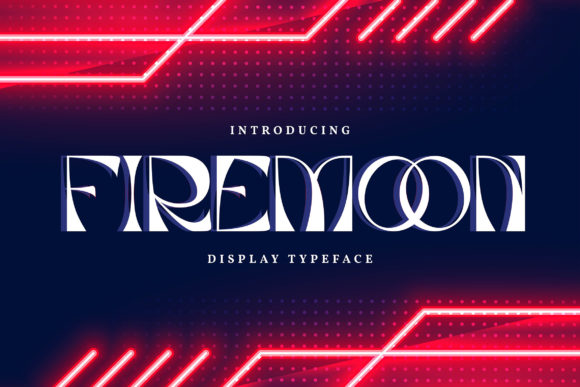
In the landscape of digital design, typography is rarely just about readability; it is about establishing immediate visual hierarchy and emotional resonance. For professionals ranging from freelance graphic designers to small business owners managing their own brand assets, selecting the right typeface is a critical decision point in the creative process. Firemoon emerges as a distinct solution for projects requiring a cool, chic, and modern aesthetic. Unlike standard system fonts that prioritize utility above all else, Firemoon is engineered to serve as a statement piece—a display font designed to capture attention without sacrificing legibility.
Understanding how to integrate such a specialized tool into your workflow requires more than simply downloading a file. It involves recognizing its technical specifications, particularly its PUA encoding, and aligning its stylistic strengths with specific project phases. This guide explores the practical application of Firemoon, focusing on efficiency, compatibility, and the seamless execution of high-impact visual designs.
Technical Foundations: Understanding PUA Encoding
The most significant technical advantage of Firemoon lies in its encoding method. Most users are familiar with Unicode-encoded fonts, where characters map directly to standard ASCII codes. However, Firemoon utilizes Private Use Area (PUA) encoding. While this term might sound technical, its practical implication for the designer is profound: it grants unrestricted access to the font’s full glyph set, including intricate swashes, alternate characters, and decorative ligatures.
When you install Firemoon, you are not just installing a typeface; you are installing a toolkit. Because the glyphs reside in the PUA space, they do not conflict with standard keyboard inputs. Instead, they are accessed through dedicated font panels or character maps within your design software. This separation allows the font to maintain a clean, modern look while offering extensive customization options that would clutter a standard Unicode mapping.
- Access Control: You gain precise control over which glyphs appear in your text, preventing accidental insertion of unwanted symbols.
- Swash Availability: The "swashes"—decorative extensions on letters like capital 'F', 'J', or 'Q'—are easily accessible, allowing for instant elevation of simple headlines.
- Software Compatibility: Modern design platforms like Adobe Creative Cloud, Affinity Suite, and even web-based editors support PUA fonts effectively, ensuring your workflow remains uninterrupted.
Strategic Placement in the Creative Process
To maximize the impact of Firemoon, it is essential to understand where it fits within the broader lifecycle of a design project. A common mistake among hobbyists and even some professionals is applying display fonts uniformly across a layout. Firemoon, with its chic and modern persona, performs best when used strategically to anchor key moments in the user’s journey.
Pre-Production and Conceptualization
During the initial brainstorming phase, Firemoon can serve as a mood-setter. If you are developing a brand identity for a tech startup, a boutique fashion label, or a modern educational platform, sketching out concepts using Firemoon helps establish the tonal baseline. Its sleek lines convey sophistication and forward-thinking energy. By locking in the primary headline font early, you force yourself to design around its constraints, often leading to more cohesive layouts.
Execution and Layout Design
In the execution phase, the interaction between Firemoon and other tools becomes critical. Because Firemoon is a display font, it should generally be paired with neutral, highly readable sans-serif or serif body fonts. The contrast creates visual interest without causing cognitive overload for the reader.
For marketers creating social media assets, Firemoon shines in static graphics. The ability to easily swap standard characters for swashes via the PUA panel allows for rapid iteration. You can create five variations of a single quote graphic in minutes by toggling different glyph combinations. This speed is invaluable for content creators who need to produce high-volume, high-quality material consistently.
Quality Control and Consistency
Consistency is the hallmark of professional work. When using PUA-encoded fonts, maintaining consistency across multiple files can be challenging if not managed correctly. Ensure that all team members have the correct version of Firemoon installed. Discrepancies in font versions can lead to subtle differences in glyph shapes, undermining the brand’s visual integrity. Establishing a shared asset library where Firemoon is pre-configured with preferred kerning and spacing settings can streamline this process significantly.
Practical Implementation Tips for Diverse Users
Different roles require different approaches to typography. Here is how various professionals can leverage Firemoon to enhance their specific workflows.
For Freelancers and Agencies
Efficiency is currency. When pitching concepts to clients, having a robust library of display fonts allows you to present polished mockups quickly. Use Firemoon for client logos, presentation headers, and proposal covers. The "cool" factor of the font helps position your services as contemporary and stylish. However, always reserve body text for functional fonts. Let Firemoon handle the emotion; let your body font handle the information.
For Educators and Content Creators
In the digital education space, engagement is key. Bloggers and course creators can use Firemoon to break up long-form text. Instead of using generic bold headings, use Firemoon for section titles. The unique glyphs act as visual anchors, guiding the reader’s eye down the page. This reduces bounce rates by making dense content feel more approachable and visually structured.
For Small Business Owners
Brand recognition relies on repetition. Incorporate Firemoon into your email signatures, invoice templates, and product packaging. The font’s modern aesthetic suggests reliability and innovation. When designing digital ads, ensure that the PUA glyphs are converted to outlines before exporting final files. This prevents issues where a recipient’s device lacks the font, replacing your elegant swashes with default system characters.
Workflow Integration and Asset Management
Integrating Firemoon smoothly into your routine requires disciplined asset management. Since the font is PUA encoded, it does not behave like a standard text input. To avoid frustration during fast-paced production:
- Create Glyph Presets: In your design software, save common Firemoon letter combinations as symbols or components. For example, if you frequently use a specific swash combination for the word "Sale," save that as a reusable component.
- Document Your Usage: Maintain a style guide that specifies exactly which Firemoon glyphs are approved for use. This prevents ad-hoc decisions that might clash with previous branding materials.
- Test Across Platforms: Before committing to a large-scale print run or a website launch, test the font rendering on different operating systems. While PUA fonts are widely supported, edge cases can occur in older browsers or mobile devices.
Evaluating Outcomes and Long-Term Value
The ultimate measure of any design tool is the outcome it generates. Firemoon is designed to let users be amazed by the results, but that amazement should translate into tangible business or creative value. Does the font help your message stand out? Does it reinforce the brand personality? In a crowded digital marketplace, the difference between a forgettable design and a memorable one is often subtle. Firemoon provides that subtle edge through its refined aesthetics.
Furthermore, the longevity of a font license matters. Ensure that the usage rights for Firemoon cover your intended applications, whether that is personal projects, commercial client work, or embedded web fonts. A well-chosen font library is an investment in your brand’s future. By integrating Firemoon thoughtfully—respecting its technical nature and leveraging its stylistic strengths—you elevate every touchpoint of your communication.
Conclusion on Practical Application
Firemoon is more than just a pretty typeface; it is a functional tool for modern creators. Its PUA encoding offers a level of flexibility and depth that standard fonts cannot match, provided the user understands how to navigate its interface. By placing it correctly within your workflow—using it for impact rather than volume, pairing it with functional companions, and managing its assets carefully—you can achieve designs that are not only chic and modern but also professionally executed. Whether you are launching a new product, refreshing a blog, or rebranding a business, Firemoon offers the visual punch needed to cut through the noise and deliver a clear, compelling message.